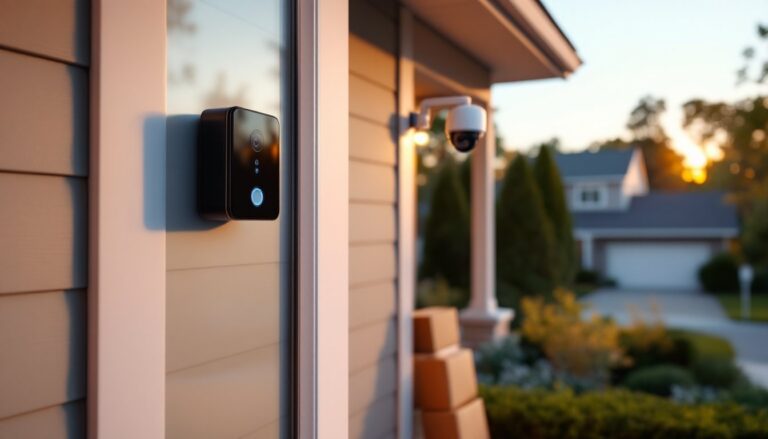
Feit Electric isn’t the first name that comes to mind when most people think about security cameras, they’re better known for LED bulbs. But that’s changing. The company’s security camera lineup combines budget-friendly pricing with solid features that hit the sweet spot for homeowners who want smart monitoring without monthly subscription fees or complicated setup. Whether someone’s upgrading from an older wired system or dipping their toes into DIY home security for the first time, Feit offers a practical entry point that doesn’t skimp on the basics.
Table of Contents
ToggleKey Takeaways
- Feit security cameras offer budget-friendly pricing ($30–$70) with no mandatory subscriptions, using free local microSD storage instead of recurring cloud fees.
- DIY installation is straightforward with standard Wi-Fi connectivity (2.4GHz)—just download the app, scan the QR code, and mount at 7–9 feet height for optimal facial recognition and motion detection.
- Feit cameras deliver 1080p resolution, infrared night vision up to 30 feet, and weatherproofing (IP65) suitable for most residential entry points, driveways, and outdoor spaces.
- Motion detection with customizable zones and two-way audio allow homeowners to screen deliveries and deter intruders without relying on expensive subscription ecosystems.
- Strategic camera placement at front doors, driveways, and yard access points—combined with visible signage and regular firmware updates—maximizes home security effectiveness.
What Makes Feit Security Cameras Stand Out?
Feit carved out its niche by focusing on value without sacrificing core functionality. Their cameras aren’t loaded with every bell and whistle, but they cover the essentials homeowners actually use.
Price point is the first advantage. Most Feit models sit comfortably in the $30–$70 range, which undercuts many competitors without resorting to bargain-bin quality. For DIYers watching project budgets, that’s a meaningful difference, especially when outfitting multiple entry points.
Another draw: no mandatory subscriptions. While cloud storage plans exist as optional upgrades, Feit cameras support local storage via microSD cards (up to 128GB in most models). That means continuous recording without recurring fees, a feature that appeals to homeowners tired of subscription fatigue.
The integration with standard Wi-Fi networks (2.4GHz) keeps setup straightforward. No proprietary hubs or base stations required, just download the app, scan the QR code, and connect to the home network.
Key Features and Technology
Feit cameras typically include 1080p resolution as standard, which delivers clear daytime footage and usable nighttime video for most residential applications. Higher-end consumer cameras push 2K or 4K, but for identifying faces at 15–20 feet or capturing license plates in a driveway, 1080p does the job.
Motion detection with customizable zones helps cut down on false alerts. Users can mask out areas like street traffic or swaying trees, so notifications trigger only when movement happens where it matters, near doors, gates, or side yards.
Two-way audio comes standard on most models. The speaker quality won’t win awards, but it’s clear enough to tell a delivery driver where to leave a package or warn off someone lingering too long on the porch.
Night vision ranges from 25 to 30 feet depending on the model, using infrared LEDs. That covers most front yards and driveways. Larger properties may need supplemental lighting or multiple camera placements.
Weatherproofing ratings (typically IP65) mean cameras handle rain, snow, and temperature swings from -4°F to 113°F. Mount them under eaves for added longevity, but they’ll survive exposed placements in most climates.
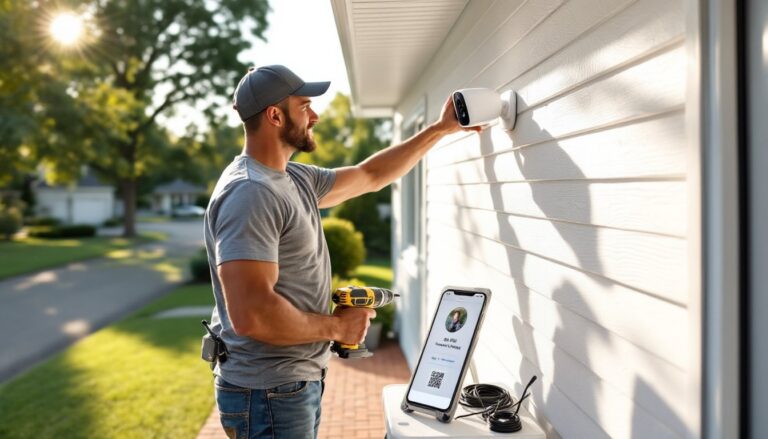
Setting Up Your Feit Security Camera: Step-by-Step Installation
Feit cameras are designed for DIY installation, but proper prep makes the difference between a clean job and a frustrating afternoon.
Before starting:
- Test Wi-Fi signal strength at the planned camera location. Use a smartphone to check bars, at least three bars recommended. Weak signal causes dropped connections and laggy video.
- Charge the camera (for battery models) or identify power routing (for wired models).
- Download the Feit Electric app (iOS or Android) and create an account.
Installation steps:
-
Choose mounting height. Aim for 7–9 feet above ground. Too low invites tampering: too high sacrifices facial detail. Angle the camera slightly downward.
-
Mark drill holes. Hold the mounting bracket against the wall or soffit and mark screw locations with a pencil. Use a level, even a slight tilt looks sloppy and can affect motion detection zones.
-
Drill pilot holes. For wood siding or trim, a 1/8″ bit works. For stucco or brick, use a masonry bit and plastic anchors (usually included). Wear safety glasses.
-
Attach the bracket with the provided screws. Tighten snug but don’t overtighten into softwoods, stripped holes are a pain to fix.
-
Route power (if wired). For plug-in models, drill a small hole through the soffit or siding to run the cable indoors, or use exterior-rated extension cords and weatherproof outlet boxes. If running cable through walls, consider home security system wiring practices for cleaner routing.
-
Mount the camera onto the bracket. Most Feit models use magnetic or twist-lock mounts for easy adjustment.
-
Open the app and select “Add Device.” Scan the QR code on the camera or packaging. Follow prompts to connect to Wi-Fi. The camera will chime or flash when pairing succeeds.
-
Adjust the angle using the app’s live view. Check coverage of entry points and eliminate blind spots.
-
Insert a microSD card (if using local storage). Format it through the app before first use.
-
Configure settings: Set motion zones, adjust sensitivity, enable notifications, and test two-way audio.
Pro tip: Install cameras on a weekend when someone’s home to receive delivery notifications and test response time. Don’t assume everything works until it’s been field-tested.
Feit Security Camera Models: Which One Is Right for Your Home?
Feit’s lineup isn’t sprawling, which actually simplifies decision-making. Here’s how the main categories break down.
Wired outdoor cameras suit fixed installations where power access isn’t an issue. These cameras draw continuous power via AC adapter, so there’s no battery to recharge. They’re ideal for front porches, garage entries, and other spots near outlets. Expect features like 1080p, night vision, and weatherproofing as standard.
Battery-powered cameras offer installation flexibility, no outlets required. Rechargeable batteries (typically lasting 2–4 months per charge, depending on activity) make them perfect for sheds, gates, or detached structures. Trade-off: slightly shorter night vision range and the need to pull them down for periodic charging.
Floodlight cameras combine security lighting with video monitoring. Motion triggers both the camera and integrated LED floodlights (usually 1,000–2,000 lumens). These work well for driveways, backyards, or side yards where added illumination deters intruders and improves video quality. Installation requires access to a standard light fixture junction box and basic electrical knowledge. If the existing fixture is tied to a wall switch, the camera bypasses it, ensure the switch stays on. When planning broader home security systems, floodlight cameras can serve as both deterrent and documentation.
Video doorbells (if Feit offers them in the current lineup) replace standard doorbells with integrated cameras. They require existing doorbell wiring (16–24V AC transformer) or can run on battery. Check transformer voltage before installation, underpowered transformers cause connection drops.
Choosing the right model comes down to three questions:
- Where’s the power? If outlets or junction boxes are nearby, wired models are simpler long-term. If not, battery models eliminate electrical work.
- What’s the coverage area? Wide driveways or large yards benefit from floodlight cameras. Narrow walkways or porches suit standard outdoor models.
- How often will someone monitor it? High-traffic areas with frequent motion (like busy sidewalks) drain battery cameras faster. Wired models handle constant activity better.
Integration with Smart Home Systems and Apps
Feit cameras work standalone through the Feit Electric app, but they also play reasonably well with common smart home ecosystems, though with some limitations.
The Feit Electric app handles all core functions: live view, recorded clips, motion alerts, two-way audio, and camera settings. The interface is straightforward, if not particularly polished. Notifications arrive reliably, and video streams with minimal lag on decent Wi-Fi.
Cloud storage is optional. Feit offers subscription plans (typically $3–$5/month per camera) for 7–30 days of rolling cloud storage. But since local microSD recording is free, most DIYers skip the subscription unless they want off-site backup in case a camera is stolen or damaged.
Voice control integration varies by model. Many Feit cameras support Amazon Alexa and Google Assistant. This enables voice commands like “Alexa, show me the front door camera” to display live feeds on Echo Show devices or Chromecast-enabled TVs. Setup requires linking the Feit Electric account in the Alexa or Google Home app.
Apple HomeKit support is hit-or-miss. As of 2026, Feit’s camera lineup doesn’t universally support HomeKit Secure Video. Homeowners heavily invested in the Apple ecosystem may need to stick with cameras explicitly labeled HomeKit-compatible or accept using the Feit app separately.
IFTTT and third-party automations offer workarounds for advanced users. IFTTT applets can trigger other smart devices when Feit cameras detect motion, like turning on smart lights or sending custom notifications. It’s not seamless, but it expands functionality for those willing to tinker.
Limitations to expect: Feit cameras won’t integrate as tightly as cameras designed specifically for Ring, Arlo, or Nest ecosystems. Features like geofencing (auto-arming when everyone leaves) or multi-camera views in a single app screen are limited. For homeowners wanting a unified smart home dashboard, this matters. For those prioritizing budget and local control, it’s a fair trade-off. Comparing security cameras for home use often involves weighing ecosystem lock-in against flexibility and cost.
Troubleshooting Common Feit Security Camera Issues
Even straightforward setups hit snags. Here’s how to fix the most common problems.
Camera won’t connect to Wi-Fi:
- Verify the camera is within range. Walk a phone to the install spot and check signal strength.
- Confirm the router broadcasts a 2.4GHz network. Feit cameras don’t support 5GHz-only networks.
- Temporarily disable router security features like MAC filtering or guest network isolation during setup.
- Restart the router and camera, then try pairing again.
Video lags or buffers:
- Check upload speed (not download). Security cameras need at least 2 Mbps upload per camera for smooth streaming. Run a speed test from the camera’s location.
- Reduce the number of devices on the network during peak hours, or upgrade to a mesh Wi-Fi system if dead zones exist.
- Lower video quality settings in the app if bandwidth is limited.
Motion alerts aren’t triggering:
- Adjust motion sensitivity in the app. Too low, and it misses events: too high, and every shadow triggers it.
- Redraw motion zones to exclude problem areas (swaying branches, passing cars, reflections).
- Ensure the camera lens is clean. Dust, pollen, or water spots reduce detection accuracy.
Night vision is dark or blurry:
- Wipe the lens and infrared LEDs with a microfiber cloth. Smudges scatter IR light.
- Move the camera away from reflective surfaces (windows, metal siding) that cause IR bounce-back.
- Supplement with low-level ambient lighting (a 40W bulb on a nearby porch) to improve image quality without defeating night vision.
Battery drains too fast:
- Reduce motion sensitivity and zone size to limit unnecessary recordings.
- Disable continuous recording if enabled, battery models aren’t designed for 24/7 operation.
- Check for firmware updates in the app: battery optimization patches roll out periodically.
App crashes or won’t load:
- Force-close the app and restart.
- Clear app cache (Settings > Apps > Feit Electric > Clear Cache on Android: offload/reinstall on iOS).
- Ensure the app is updated to the latest version.
Camera offline after power outage:
- Power-cycle the camera by unplugging it (or removing/reinserting the battery) for 30 seconds.
- Check that the router came back online and the network name/password didn’t change.
- Re-pair the camera if it still shows offline after 5 minutes.
Most issues trace back to Wi-Fi signal, power supply, or settings, not hardware failure. Methodical troubleshooting usually gets cameras back online without support calls. For broader context on reliable monitoring setups, reviews of home security cameras often highlight similar connectivity challenges across brands.
Maximizing Your Home Security with Feit Cameras
A camera only improves security if it’s positioned, maintained, and used properly. Here’s how to get the most from Feit’s hardware.
Strategic placement matters more than quantity. Start with these priority zones:
- Front door and porch: Capture faces and package deliveries.
- Driveway or garage: Monitor vehicles and side entry points.
- Backyard access points: Gates, sliding doors, and ground-floor windows.
Skip aiming cameras at neighbors’ properties or public sidewalks beyond the property line, it’s poor etiquette and may violate local privacy laws.
Overlap coverage where possible. If one camera gets obscured or disabled, an adjacent camera picks up the activity. This is especially useful for high-value areas like tool sheds or outdoor equipment.
Use signage. A simple “Video Surveillance in Use” sign near the driveway or front walk deters casual opportunists. Most burglaries are crimes of convenience, visible cameras and signs make properties less appealing targets. According to research highlighted by Digital Trends, visible security measures reduce break-in attempts significantly.
Check footage periodically. Don’t wait for an incident to review recordings. Spot-check weekly to ensure cameras haven’t shifted, lenses haven’t fogged, and motion zones still cover intended areas.
Keep firmware updated. Security patches and feature improvements roll out through app updates. Enable auto-update if available, or manually check quarterly.
Integrate cameras with other security layers. Cameras document events but don’t prevent them. Pair Feit cameras with:
- Motion-activated floodlights (even standalone models separate from cameras) to illuminate dark corners.
- Smart locks on exterior doors for remote access control.
- Window/door sensors that trigger alerts when entry points open, even if cameras are offline.
For comprehensive coverage strategies, insights from Tom’s Guide and CNET offer detailed comparisons across security camera brands and installation best practices.
Local storage backup: If using microSD cards, pull them monthly and back up critical clips to a computer or cloud service. Cards fail eventually, and footage is useless if the card corrupts before an incident gets reviewed.
Test the system regularly. Have someone approach entry points while monitoring the app. Verify notifications arrive promptly, video quality is acceptable, and two-way audio works. Systems that aren’t tested become systems that fail when needed.
Consider professional monitoring (if available). Some third-party services allow Feit camera integration for 24/7 monitoring. It’s an added cost, but it provides backup if homeowners miss alerts or are traveling.
Feit cameras won’t replace high-end systems in every scenario, but they deliver solid, affordable monitoring for typical residential needs. Properly installed and maintained, they’re a practical piece of a broader home security strategy that balances DIY capability with effective protection. When evaluating options alongside competitors, checking resources that compare the best home security camera choices helps clarify which features matter most for specific home layouts and security priorities.