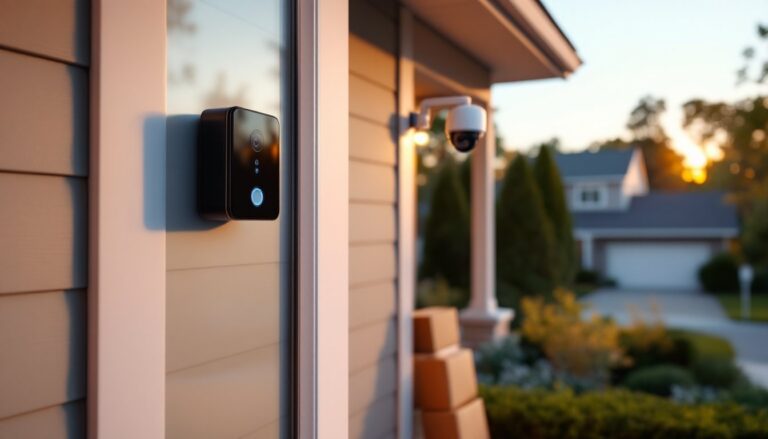
A well-lit exterior doesn’t just make a home look inviting, it actively deters break-ins and eliminates dark corners where intruders might lurk. According to crime prevention research, homes with visible exterior lighting are significantly less likely to be targeted. But security lighting has evolved beyond the harsh, buzzing floodlight bolted to a garage. Today’s systems combine smart controls, energy efficiency, and design-forward fixtures that protect property without turning the yard into a parking lot. Whether retrofitting an older home or planning new construction, homeowners have more practical, affordable options than ever.
Table of Contents
ToggleKey Takeaways
- Outdoor security lighting deters break-ins and improves home safety by eliminating dark corners and signaling occupancy to potential intruders.
- Motion-activated floodlights with adjustable PIR sensors conserve energy by activating only when movement is detected across a 20–70 foot range.
- Solar-powered security lights offer eco-friendly, permit-free installation for remote locations and rentals, though performance depends on six hours of daily sun exposure.
- Smart LED security lights with app control and geofencing integrate with voice assistants and security cameras, but require strong passwords and firmware updates to prevent cybersecurity risks.
- Effective security lighting placement prioritizes entry points, garages, driveways, and side yards while avoiding overlighting, light trespass, and sensor blind spots.
- Low-voltage pathway and landscape lighting (12V or 24V systems) provide dual security and aesthetic benefits without requiring electrical permits in most jurisdictions.
Why Outdoor Security Lighting Matters for Your Home
Security lighting serves three core functions: deterrence, detection, and documentation. A visible light source signals occupancy and attentiveness, making a property less appealing to opportunistic criminals. Motion-triggered illumination can startle an intruder and alert neighbors or passersby. When paired with cameras, proper lighting ensures usable footage for law enforcement.
Beyond crime prevention, exterior lighting improves safety for residents. It reduces trip hazards on stairs and walkways, helps guests navigate unfamiliar entries, and makes nighttime tasks like taking out trash or retrieving packages safer.
Effective security lighting doesn’t require flooding every square foot with lumens. Strategic placement, entries, driveways, side yards, and rear access points, provides coverage where intrusions are most likely. Overlighting can annoy neighbors, attract insects, and waste energy. A balanced approach combines ambient, task, and accent lighting with motion sensors where appropriate.
Motion-Activated Floodlights for Maximum Coverage
Motion-activated floodlights remain the workhorse of residential security lighting. They deliver high-lumen output (typically 1,000–3,000 lumens) across a wide area and activate only when movement is detected, conserving energy and bulb life.
Most units use passive infrared (PIR) sensors to detect body heat. Sensitivity and range are adjustable, typically 20 to 70 feet, allowing homeowners to tune detection zones and minimize false triggers from passing cars or animals. Look for models with adjustable lamp heads so light can be directed precisely where needed.
Installation usually requires a junction box tied to household electrical, which may mean routing cable through walls or soffits. For retrofit projects, surface-mounted conduit is an option. Always shut off power at the breaker and verify with a non-contact voltage tester before working. If the existing box is plastic and you’re installing a heavy fixture, replace it with a metal box rated for outdoor use and the fixture’s weight.
LED floodlights are now standard. They last 25,000–50,000 hours compared to incandescent or halogen, run cooler, and use a fraction of the wattage. A 20-watt LED can replace a 150-watt halogen with equivalent brightness.
Some advanced models integrate cameras and speakers for two-way communication, turning the floodlight into a multipurpose security hub. When shopping for expert-tested outdoor security lights, consider field of view, weatherproofing (IP65 or higher), and compatibility with existing wiring.
Solar-Powered Security Lights for Eco-Friendly Protection
Solar-powered security lights eliminate wiring, making them ideal for remote locations, sheds, outbuildings, or rentals where permanent electrical work isn’t feasible. Modern units feature efficient monocrystalline solar panels, lithium-ion batteries, and PIR motion sensors.
Performance depends heavily on sun exposure. Panels should face south (in the Northern Hemisphere) and remain unshaded for at least six hours daily. Winter months and cloudy climates reduce runtime, so choose models with larger panel areas (6+ watts) and battery capacity (2,000+ mAh) if year-round reliability is critical.
Lumen output is lower than hardwired floodlights, typically 300 to 1,200 lumens, but sufficient for pathways, driveways, and secondary entrances. Many units offer multiple lighting modes: motion-activated full brightness, dim ambient mode, or dusk-to-dawn operation.
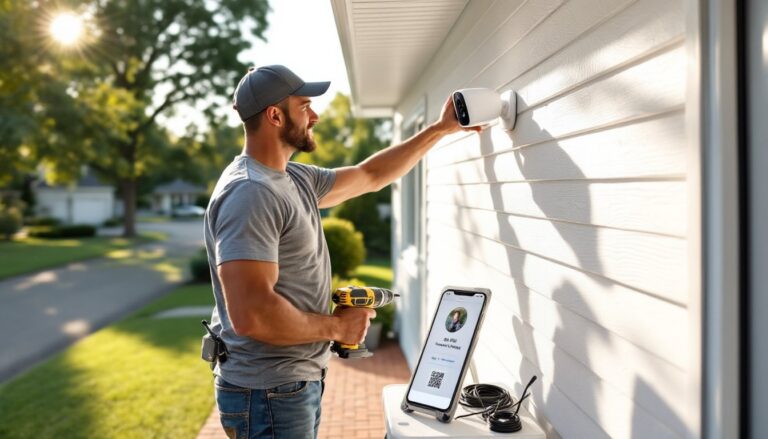
Installation is straightforward: mount the light with screws (most surfaces work, wood siding, masonry, vinyl), position the panel for optimal sun, and adjust sensor sensitivity. No permits or electrical skills required.
For projects requiring step-by-step DIY guidance, solar lights are beginner-friendly. Maintenance involves occasional panel cleaning and battery replacement every 2–3 years. Ensure housings are rated IP65 or higher to withstand rain, snow, and humidity.
Smart LED Security Lighting with App Control
Smart LED security lights bring automation, scheduling, and remote control via smartphone apps. They integrate with platforms like Google Home, Amazon Alexa, or Apple HomeKit, enabling voice commands and routines (“turn on front lights at sunset”).
Key features include adjustable color temperature (2,700K warm white to 5,000K daylight), dimming, and geofencing, lights turn on automatically when a phone enters a defined perimeter. Many models sync with security cameras, triggering recording when motion is detected.
Installation mirrors standard hardwired fixtures but adds a Wi-Fi or Zigbee/Z-Wave hub connection. Ensure the router signal reaches the fixture location: outdoor mesh extenders may be needed for distant placements.
Smart bulbs can retrofit existing fixtures, but dedicated smart fixtures offer better weatherproofing and integrated sensors. When comparing top outdoor security lights for smart homes, prioritize compatibility with existing ecosystems, local control options (in case Wi-Fi drops), and firmware update support.
Safety note: Smart lights connected to home networks are potential cybersecurity targets. Use strong, unique passwords, enable two-factor authentication, and keep firmware updated. Avoid cheap imports lacking UL or ETL certification, they may not meet electrical safety standards and can pose fire risks.
Pathway and Landscape Lighting for Style and Security
Pathway and landscape lights serve dual purposes: guiding foot traffic and illuminating potential hiding spots near shrubs, fences, or corners. Low-voltage systems (12V or 24V) are safer to install than line-voltage and don’t require permits in most jurisdictions.
A typical setup includes a plug-in transformer (connected to an outdoor GFEP outlet), low-voltage cable (usually 12- or 14-gauge), and fixture stakes. Transformers range from 50 to 300 watts: calculate total wattage of all fixtures and add 20% headroom. For runs longer than 100 feet, step up wire gauge to 10 AWG to prevent voltage drop.
Fixture styles include bollards (short posts, 12–24 inches high), tier lights (angled to wash steps or walls), and spotlights for uplighting trees or architectural features. Space bollards 6–10 feet apart for even illumination without harsh pools.
LED pathway lights draw 1–3 watts each and last decades. Some include motion sensors or dusk-to-dawn photocells. For added security, choose fixtures with metal housings rather than plastic, they’re harder to damage and stand up to lawnmowers and weather.
Bury cable at least 6 inches deep (check local code) and use conduit under driveways or high-traffic areas. Mark cable routes on a property map: future digging projects will thank you. If dealing with slopes or erosion-prone soil, secure fixtures and cable with landscape staples.
Strategic Placement Tips for Outdoor Security Lights
Effective security lighting is about placement, not just brightness. Start by walking the property at night to identify dark zones, blind spots, and common entry points.
Prioritize these locations:
- Front and rear doors: Mount motion floodlights or wall sconces 9 feet high, angled downward to illuminate faces without blinding visitors.
- Garage and driveway: Overhead or eave-mounted lights deter vehicle break-ins. Position to light license plates and door handles.
- Side yards and alleys: Often overlooked, these narrow passages are common access routes. Use wall-mounted or solar fixtures to eliminate hiding spots.
- Windows: Uplighting or ground-level spots make it difficult to approach undetected. Avoid placing lights where they create glare inside, which aids intruders.
- Fences and gates: Illuminate latches and hinges. Motion lights discourage attempts to climb or pry.
Avoid these mistakes:
- Overlighting: Excessive brightness creates harsh shadows and wastes energy. Layer ambient and task lighting instead.
- Neglecting sensor angles: PIR sensors detect motion best when crossing their field of view, not moving directly toward them. Mount sensors perpendicular to likely approach paths.
- Ignoring light trespass: Fixtures aimed into neighbors’ windows or bedrooms invite complaints and may violate local ordinances. Use shielded fixtures and adjust angles.
- Forgetting maintenance access: Install fixtures where bulbs and sensors can be reached without a ladder acrobatics.
For two-story homes, consider soffit-mounted downlights or gable fixtures to cover upper windows. Always use GFCI-protected circuits for outdoor receptacles and fixtures per NEC Article 210.8. In coastal or high-humidity areas, choose corrosion-resistant finishes like powder-coated aluminum or stainless steel.
Conclusion
Outdoor security lighting doesn’t have to be an eyesore or an energy drain. Whether hardwiring motion floodlights for maximum deterrence, installing solar fixtures in off-grid areas, or integrating smart LEDs with whole-home automation, homeowners have options that balance safety, aesthetics, and budget. Start with high-priority zones, entries, driveways, and side yards, then expand to pathways and landscape features. Proper placement, quality fixtures, and regular maintenance turn a simple light into a reliable layer of home protection.